Begin with purpose
I begin with a consequential environmental problem, then help students build a model of the system and its assumptions.
Environmental engineering · Michigan State University
I investigate how microbial communities can remove persistent water contaminants, and I teach emerging engineers to approach unfamiliar problems with evidence, curiosity, and care.
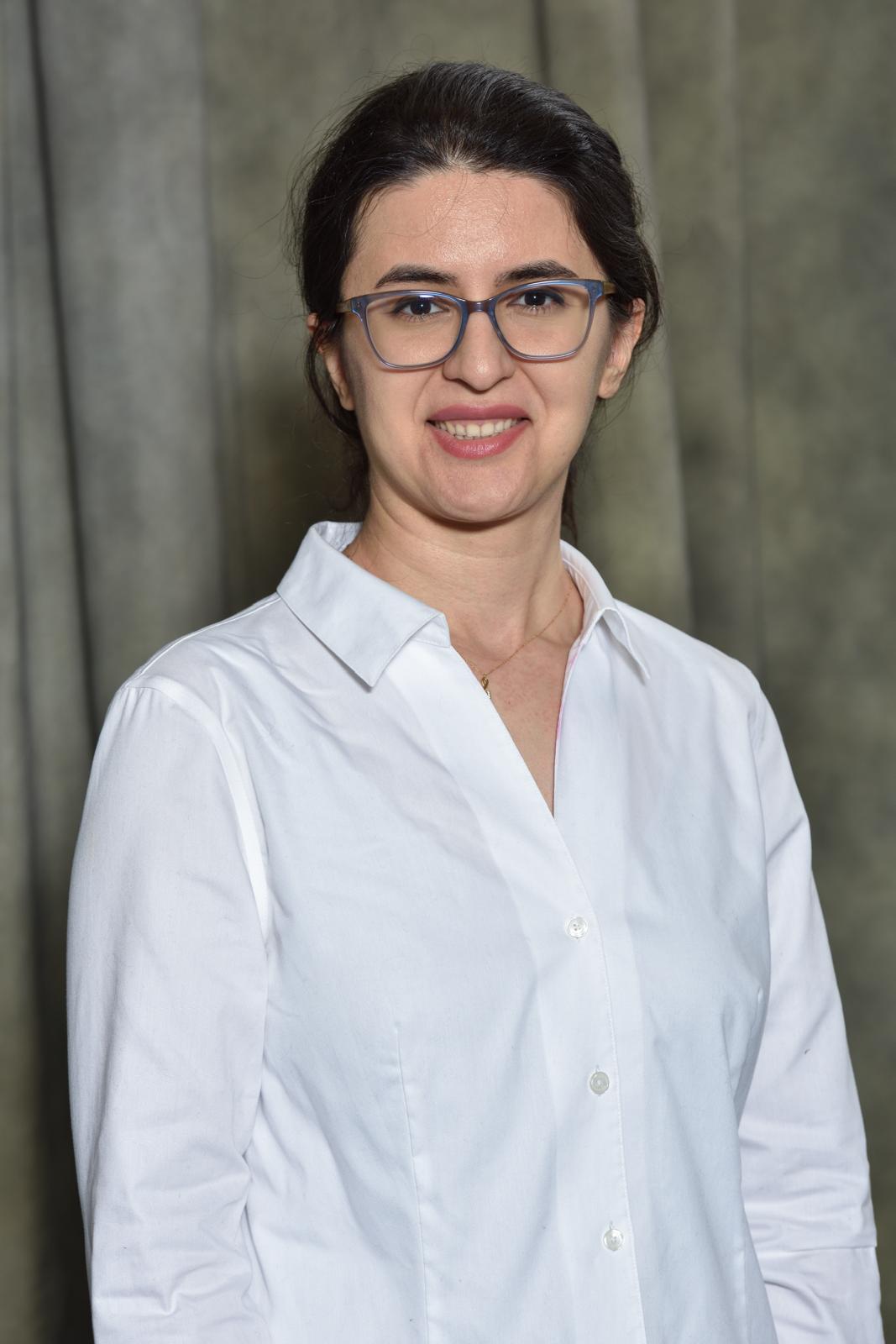
01 · Practice
Student-centered learning that connects engineering principles with real-world impact.
02 · Inquiry
Advancing sustainable water solutions through microbial processes and systems thinking.
03 · Community
Supporting growth, building confidence, and cultivating inclusive engineering communities.
Where research and learning meet
I am a Ph.D. candidate in Environmental Engineering at Michigan State University. My work investigates how microbial communities can transform persistent groundwater contaminants, with a focus on 1,4-dioxane biodegradation and propanotrophic enrichment cultures.
My teaching connects environmental challenges to the choices engineers make. I design active, inclusive learning experiences that make reasoning visible, invite revision, and help students grow toward independent judgment.
Teaching philosophy
“I want students to leave my classroom able to do more than solve the problems I have taught them. I want them to know how to think when the problem is unfamiliar.”
Read the full teaching philosophy and classroom example ↗
I begin with a consequential environmental problem, then help students build a model of the system and its assumptions.
Students predict, compare evidence, explain their decisions, receive feedback, and revise. Support gradually gives way to independence.
Written criteria, multiple ways to contribute, rotating team roles, and evidence-based disagreement make rigorous work accessible.
Teaching experience
Graduate Teaching Assistant · Fall 2026
Leading three lab sections and two weekly open-lab hours; coaching student teams through engineering design, technical communication, and formative feedback.
Prior experience
Graduate Teaching Assistant · Fall 2024
Guided problem solving and helped students connect foundational analysis with environmental applications.
Certificate in College Teaching
CIRTL coursework completed in August 2026. The CCTI mentored teaching project is planned for Spring 2027.
Align outcomes, learning activities, and assessments; use evidence from STEM teaching research to design purposeful practice.
Set explicit expectations, use inclusive language and examples, provide multiple participation pathways, and structure equitable teamwork.
Choose digital tools for a clear learning purpose. Teach responsible AI use through verification, disclosure, and independent reasoning.
Connect classroom choices to student support, accessibility, academic integrity, and the responsibilities of an instructor in a university community.
Use transparent criteria, formative checks, feedback, and reflection to uncover misconceptions and improve the next learning activity.
Learning design · active learning
Learning goals, practice, and assessment ask students to use the same reasoning. I use real environmental cases, individual thinking time, team discussion, worked examples, and feedback before students make and defend a recommendation.
Inclusive practice · environmental engineering
In this designed activity, teams compare water challenges from multiple perspectives, identify assumptions, weigh competing criteria, and explain tradeoffs. Students can draw on their experience without being asked to speak for an identity group.
Assessment · reflection
Short explanations, design checkpoints, and individual reflections reveal how students reason. I use mistakes diagnostically, assess engineering reasoning against clear criteria, and revisit whose ideas shape a group’s final design.
Future teaching inquiry · Spring 2027
My planned mentored teaching project will examine how AI-supported work can strengthen learning while preserving students’ own problem formulation, verification, and engineering judgment. Findings and evidence will be added after the study.
Explore CIRTL coursework, CCTI progress, and teaching experience ↗
Environmental microbiology & bioremediation
My research combines enrichment cultures, molecular tools, and contaminant analysis to understand—and improve—co-metabolic biodegradation of persistent groundwater pollutants.
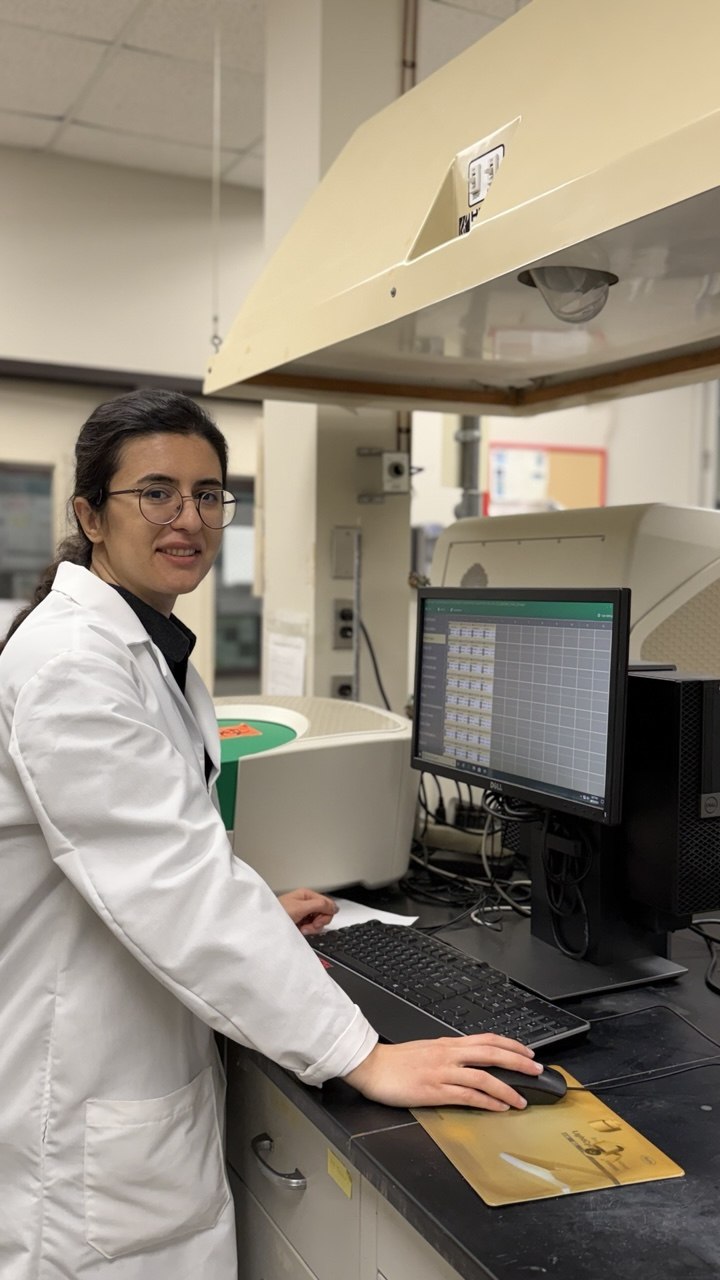
Dissertation research
Investigating how propane, 1-propanol, and 2-propanol shape propanotrophic communities and their capacity to remove 1,4-dioxane.
R·02
Microbial ecology
Identifying key organisms, propane monooxygenase genes, and community responses associated with contaminant transformation.
R·03
Applied remediation
Evaluating sustained aerobic degradation in systems with TCE, cis-DCE, and 1,1-DCE, and exploring the potential of enriched cultures for mixed-contaminant remediation.
R·04
Emerging collaboration · study in development
Developing a collaboration to test selected PFAS compounds with enrichment cultures. Analytical methods and experimental conditions are being finalized; transformation outcomes have not yet been established.
Publications & presentations
Third Place
Battelle Student Poster Competition · 2026
2026
Journal of Environmental Management
2025
Science of the Total Environment
2025
Journal of Hazardous Materials
2025
Environmental Pollution
2024
Journal of Microbiological Methods
See full citations, book chapter, presentations, and awards ↗
Mentorship & service
I mentor undergraduate researchers in laboratory methods, including qPCR, chromatography, and experimental troubleshooting. In the classroom I help student teams divide work, explain choices, and find a path forward when a first design does not work.
Curriculum vitae
For a current academic CV or teaching materials, please contact me directly. You can also view my publication record and professional profile below.